Looking For New Construction in Suffolk or Chesapeake? Here Are 10 Things You Should Know
Thinking about buying new construction in Hampton Roads? Suffolk and Chesapeake are two of the hottest spots right now: but they offer totally different vibes. I’m Sonali Hutson with Hutson Realty Group—your local Hampton Roads Realtor and Military Relocation Professional (MRP)—and I love helping families (especially military and first-time buyers) compare builders, incentives, and neighborhoods with confidence. Here are 10 things you should know before you sign with a builder!
Suffolk: Space & Serenity
If you want more land, a rural feel, and lower prices, Suffolk is calling your name. With a median price around $398,800, you get more bang for your buck. Think bigger lots, quieter streets, and that peaceful country-meets-suburb lifestyle.
Chesapeake: Community & Convenience
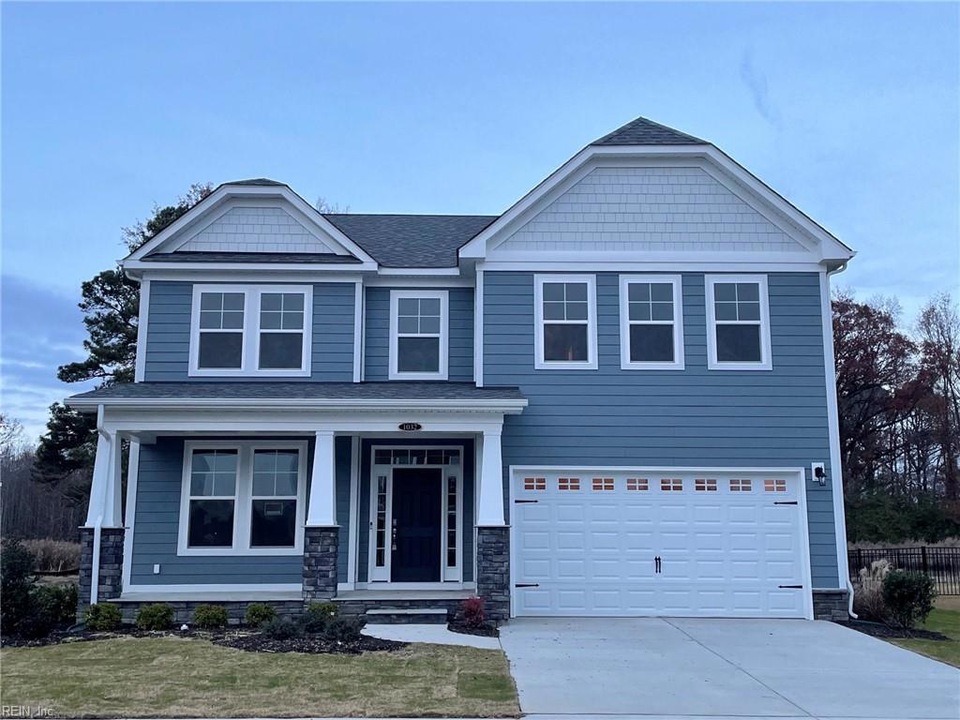
Chesapeake offers planned communities with amenities and easy access to shopping, dining, and major highways. Prices average around $552,665, with 110+ communities and 37 builders to choose from. It’s perfect if you love that connected, neighborhood feel.
10 Things You Should Know Before You Buy New Construction Here
- Builder incentives change fast—ask what’s available this week.
Incentives can include closing cost assistance, rate buydowns (temporary or permanent), design-center credits, appliance packages, or “premium lot” credits. The catch? Many incentives are tied to using the builder’s preferred lender and title company—and they can shift monthly (or even mid-month) based on inventory and sales pace. - “Move-in ready” vs. “to-be-built” affects both pricing and leverage.
If a builder has spec homes (already under construction), you may have more negotiating power on incentives—especially near quarter-end. To-be-built homes may offer fewer discounts but more personalization. - Suffolk lot types usually mean more space and flexibility.
In many Suffolk communities, you’ll commonly see:
▪️ Larger interior lots (more yard, more breathing room)
▪️ Corner lots (extra side yard and curb appeal)
▪️ Cul-de-sac lots (less through-traffic; great for little ones riding bikes)
▪️ Wooded buffer lots (privacy behind the home)
▪️ In some pockets, more open-feel parcels where homes aren’t as tightly clustered - Chesapeake lot types often prioritize community layout and amenities.
Chesapeake new construction leans into planned neighborhoods, so you’ll often find:
▪️ Smaller, low-maintenance interior lots
▪️ Amenity-adjacent lots (near pool/clubhouse/playgrounds—great, but consider foot traffic)
▪️ Corner and pond/lake-view lots (when available, these can carry higher premiums)
▪️ Homesites with HOA-driven exterior standards that keep the neighborhood looking polished - Lot premiums are real—especially for “view” or “privacy” homesites.
A premium lot can add thousands to the price. Suffolk buyers often pay for extra depth/wooded buffers; Chesapeake buyers often pay for location within the community (near amenities or water features). We’ll compare the premium to the actual value and your lifestyle. - HOA rules can shape your day-to-day life.
Chesapeake communities often have more robust amenity packages and therefore stricter HOA guidelines. Suffolk may feel lighter in some neighborhoods, but it varies. We’ll review what matters most—parking, fences, sheds, and any restrictions that could surprise you later. - Timeline matters—permits, materials, and weather can affect closing.
If you’re relocating on military orders or syncing a school move, new construction timelines need extra cushion. I’ll help you set expectations and build in a plan B when needed. - Design upgrades add up—focus on the “forever” items first.
Flooring and fixtures can be changed later; structural options (extra bedrooms, extended patios, larger showers, added windows) are harder and costlier after closing. We’ll prioritize upgrades that protect resale and your everyday comfort. - A home inspection is still worth it—even for brand-new builds.
New doesn’t mean perfect. A third-party inspection can catch items before closing so you’re not dealing with repairs right after move-in. It’s one of the simplest ways to protect your peace. - Have your own Realtor with you from the first visit (yes, it matters!).
Builder reps work for the builder. My job is to advocate for you—pricing, incentives, contract terms, timelines, and walk-through punch lists. “Two are better than one” (Ecclesiastes 4:9) is a pretty great mindset for a major purchase like this.
Which One Is Right For You?
Choose Suffolk if: You prioritize space, privacy, and affordability—plus you love the idea of larger lots like cul-de-sacs, wooded buffers, and room to breathe.
Choose Chesapeake if: You want walkability, amenities, and proximity to everything—often with low-maintenance lots and a strong “neighborhood community” feel.
Both cities have amazing builders like D.R. Horton, Ryan Homes, and Chesapeake Homes offering move-in ready and customizable options!
Ready to tour some new construction? I’d love to help you compare neighborhoods, lots, and builder incentives so you can buy smart and feel confident. Call or text me at 757.837.0096 and let’s make it happen!
: Sonali Hutson, Hutson Realty Group